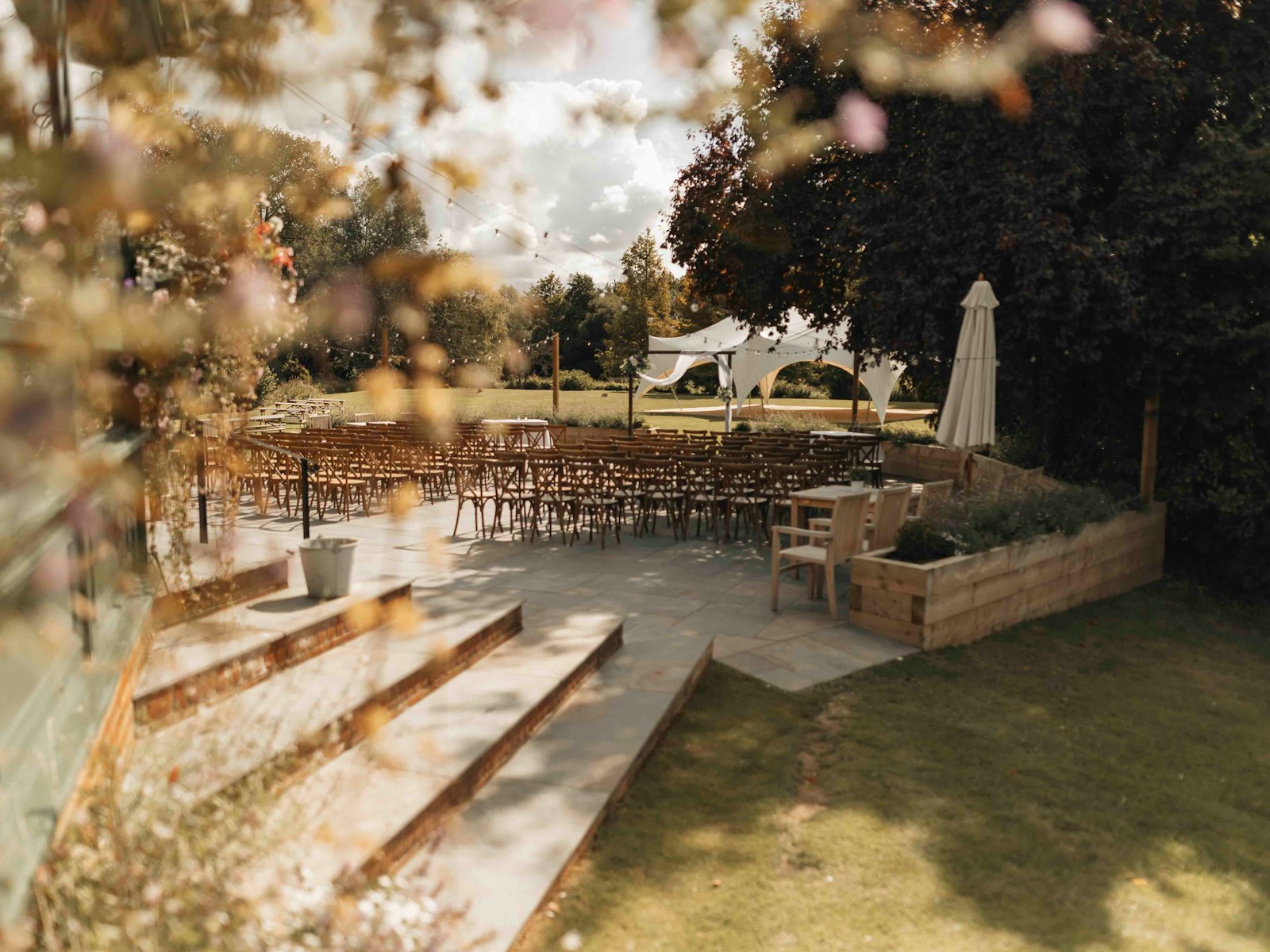
Hong Kong compresses an extraordinary amount of celebration into very little floor space. Between the harbour, the outlying islands and thousands of upper-floor units quietly repurposed for private hire, the city has built one of the densest event economies in Asia. Yet most people planning a birthday, an engagement or a team milestone still begin the same way: a group chat that moves too fast, a spreadsheet nobody updates, and a creeping suspicion that everything worth booking has already been taken by somebody more organised.
Matching The Venue To The Occasion
The first real decision is not the budget or the date. It is the shape of the gathering itself. A retirement dinner for twelve wants intimacy, clear sightlines and a table everyone can talk across. A thirtieth birthday for sixty wants circulation, a bar that never develops a queue, and somewhere obvious for the inevitable group photograph. Choosing a space that fights the shape of the event is the most common planning mistake there is, and no amount of good catering rescues it afterwards.

Water-based celebrations sit at one end of that spectrum. A day offshore reframes an ordinary afternoon entirely. The skyline handles the decorating, the schedule answers to tides and light rather than a venue manager watching the clock, and guests who barely know each other tend to bond quickly when there is nowhere else to drift off to. Anyone pricing a luxury yacht charter Hong Kong operator running out of Aberdeen or Sai Kung will find the range enormous, from modest weekend boats to fully crewed vessels with onboard catering. The deciding factor is almost always the crew rather than the hull, because a skipper who knows which bays are sheltered on a windy day changes the entire experience.
Land-based options trade spectacle for control. Indoors you own the temperature, the playlist, the lighting and the contingency plan, which matters more than it sounds in a city where a black rainstorm warning can appear with two hours of notice. The middle ground of rooftops, private dining rooms and clubhouses tends to be the practical answer for groups of twenty to forty, offering a share of the view without surrendering the ability to close a door.
Budgeting Without Cutting The Experience
Most celebration budgets fail in the same place. They are built around the headline cost and then ambushed by everything surrounding it. The hire fee is rarely the whole number. Corkage, minimum spend, overtime rates after midnight, deposit forfeiture windows and the cost of getting forty people home at two in the morning all arrive later, usually by message, usually from the one friend who paid the deposit and is now doing arithmetic alone.
A more resilient approach is to decide early what the evening will be remembered for, fund that element properly, and allow everything else to be merely adequate. Guests remember one thing: the view, the food, a live band, an absurdly good cake. Nobody has ever left an event admiring how evenly the money was distributed. Splitting a budget across eight categories in equal slices reliably produces something pleasant and completely forgettable.
It is also worth agreeing on how money will be collected before anything is confirmed. Chasing payments after the fact strains friendships far more than the amounts involved ever justify, and a transparent per-head figure circulated at the start removes an argument that would otherwise surface a week later.
Logistics That Guests Never Notice
Good logistics are invisible. Guests notice when a lift takes eleven minutes, when nobody knows which tower entrance to use, or when the music has to stop at ten because of a complaint from the floor below. They almost never notice when these things have been handled, which is precisely the point of handling them.
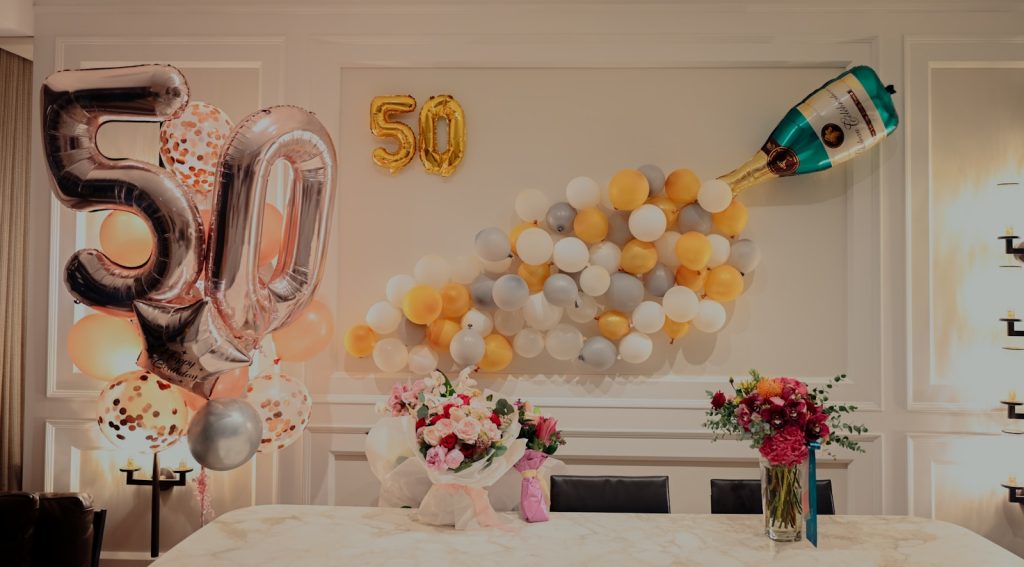
Access is the first question to put to any venue. If you are considering a party room Hong Kong landlords have carved out of an industrial building, confirm the goods-lift hours, the security desk registration process for guests, and whether the loading bay shuts at weekends. Those three details have derailed more celebrations than any catering failure, and none of them appear in the listing photographs.
Timing deserves the same scrutiny. Cross-harbour travel at seven on a Friday evening is not the journey it is at three on a Sunday afternoon, and a start time that ignores the difference simply produces a first hour spent apologising for people stuck in the tunnel. Setting a soft arrival window rather than a hard start, and telling everyone exactly which exit to use, solves most of it.
Making The Memories Last Beyond The Night
Documentation is usually an afterthought and usually regretted. One person assigned to photographs, not a professional but simply someone briefed to capture arrivals, the toast and the unglamorous middle hours, produces a far better record than fifty phones generating fifty near-identical shots of the same cake. Sharing everything to one album before people disperse is a two-minute task that otherwise never happens.
It also helps to build in a single deliberate moment. A short speech, a shared toast, one activity that everybody stops for. Without it, gatherings drift into parallel conversations that could have taken place in any restaurant on any other night, and the occasion loses the thing that made it an occasion.
None of this demands professional event management. It requires deciding what the day is actually for, choosing a space that serves that purpose rather than one that simply photographs well, and dealing with the tedious details early enough that nobody has to think about them once guests arrive. The city will supply the backdrop without being asked. Everything else is a series of small decisions made slightly sooner than feels comfortable.