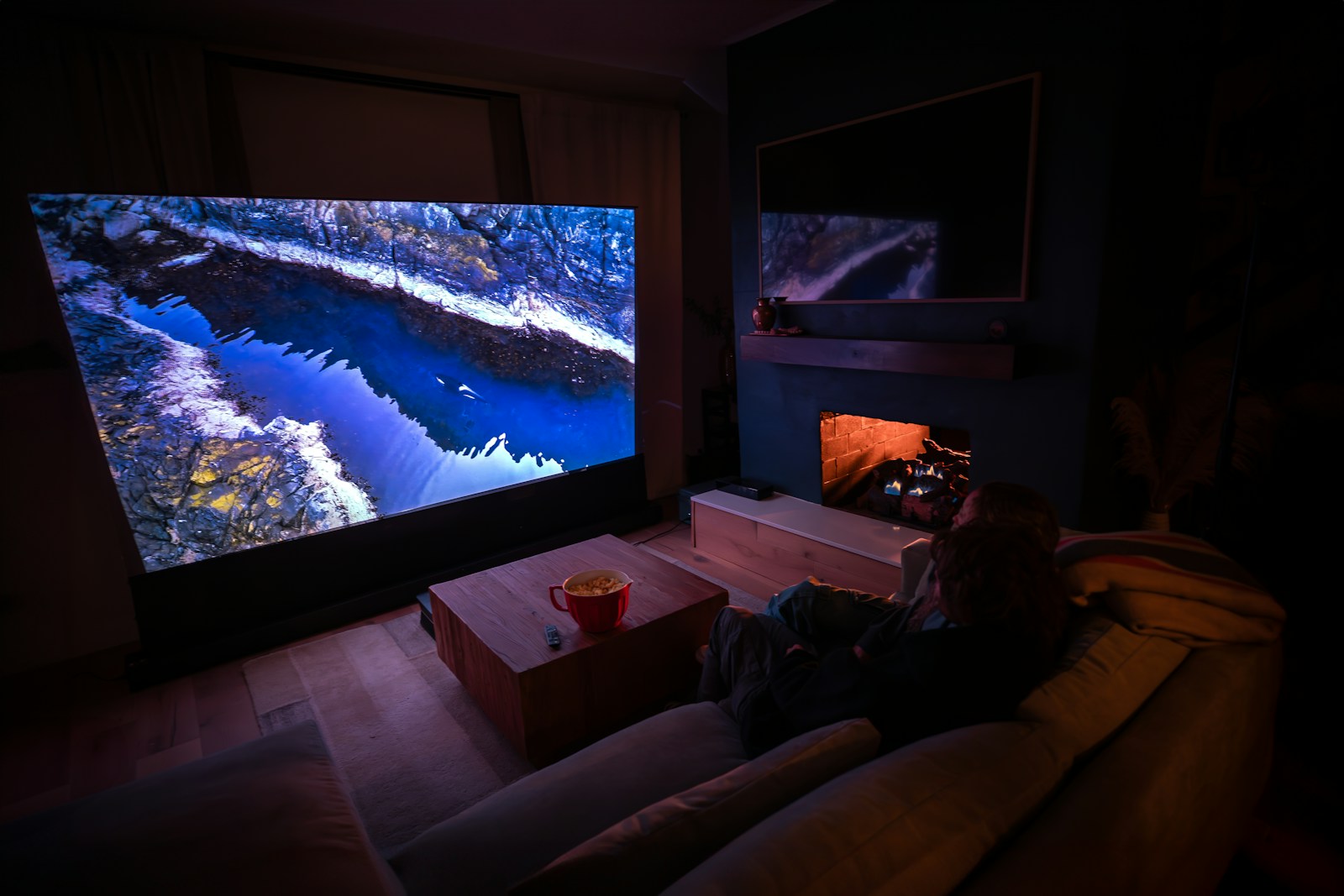
Home entertainment has always evolved alongside the technology available to us. From the first television sets that brought broadcast programming into living rooms, to streaming platforms that let us watch anything on demand, each era has redefined what it means to spend leisure time at home. Yet perhaps no shift has been as physically engaging as the one happening right now, a movement away from passive screen time and toward experiences that actually get us off the sofa.
The Rise of Active Entertainment
For decades, the default image of a gamer was someone seated, controller in hand, eyes locked on a screen. That image has changed considerably. Developers and hardware manufacturers alike have been exploring ways to make interactive entertainment more kinetic, rewarding players not just for pressing the right buttons at the right time, but for jumping, swinging, ducking, and dancing. The result is a category of products designed to make physical activity feel less like exercise and more like play.
This trend has been driven partly by growing awareness of the health costs of sedentary lifestyles, but also by a genuine appetite for novelty. People want experiences that are surprising, social, and embodied, things that create shared memories with family and friends rather than solitary screen sessions. Manufacturers who recognised this early have found a loyal and enthusiastic audience.
Bringing the Living Room to Life
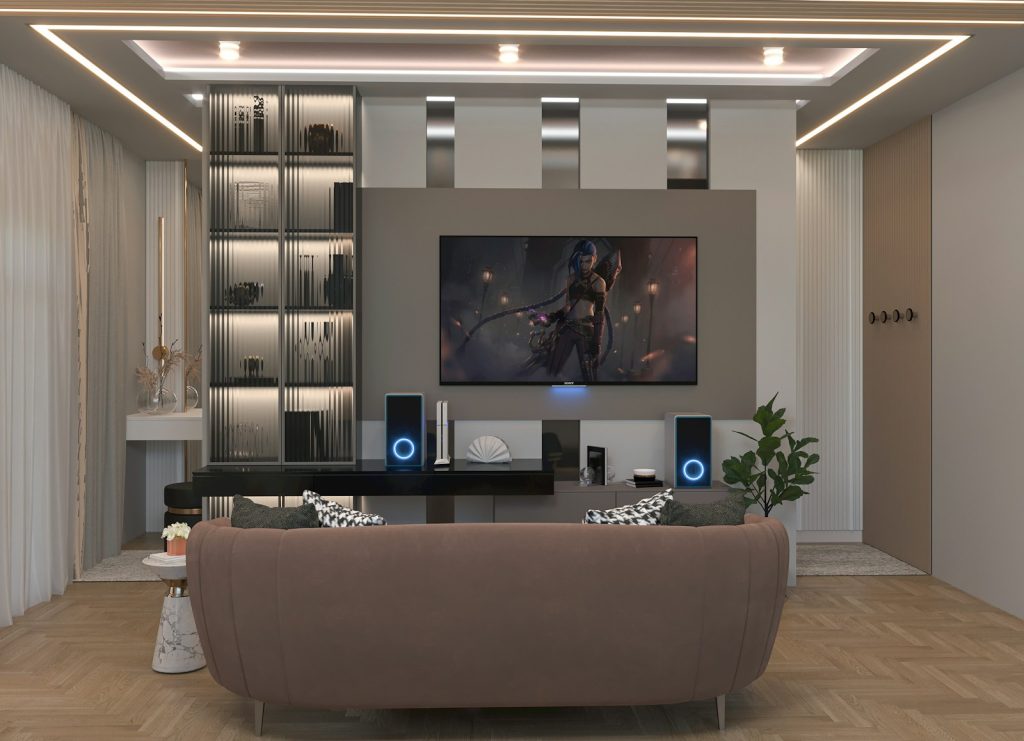
One of the most accessible ways families have embraced active play is through dedicated hardware designed for exactly this purpose. A motion sensor game console for tv works by tracking the movements of one or more players through cameras or infrared sensors, translating physical gestures into in-game actions. Rather than pressing a button to make a character swing a tennis racket, the player swings their arm, the console reads the movement and mirrors it on screen in real time.
The appeal is immediate and inclusive. Young children who have not yet developed the fine-motor skills for traditional controllers can participate fully. Older adults who might find conventional gaming intimidating discover that their everyday movement vocabulary is all they need. Families with a wide age range can compete and cooperate on a genuinely level playing field. Games in this category range from sports simulations and dance titles to rhythm challenges and fitness-oriented programmes, making them versatile enough to anchor a full evening of entertainment.
Where Gaming and Wellness Overlap
The blurring of the line between gaming and fitness has opened up a broader conversation about how we think about movement in daily life. For a long time, exercise was something we did separately from leisure, scheduled, deliberate, and often dreaded. Technology that makes physical activity a side-effect of entertainment rather than a goal in itself changes that equation significantly. Research into so-called “exergaming” suggests that players can sustain elevated heart rates comfortably for longer periods when they are engaged with an entertaining experience, compared with the same duration on a treadmill.
This insight has filtered into the design of wearable devices, mobile applications, and companion software that work alongside interactive entertainment systems. The ambition is to create ecosystems in which data about your physical activity can inform your gaming experience, and vice versa, rewarding consistency, tracking progress, and motivating continued engagement through feedback loops familiar to dedicated gamers.
Tracking Movement Beyond the Screen
Alongside console-based experiences, a range of companion technologies has emerged to help users monitor and understand their physical activity in richer detail. One example is MotionX, a platform that brings together location data, motion sensing, and health metrics to give users a comprehensive picture of how they move throughout the day. Originally developed as a GPS and activity tracking solution, it has expanded its capabilities to integrate with a wide range of devices and use cases, from hiking navigation to sleep quality monitoring.
What platforms like this contribute to the active entertainment landscape is a sense of continuity. Movement recorded during an active gaming session, a walk in the neighbourhood, or a yoga routine can all flow into the same data picture, helping users understand their habits over time. For those who find abstract health statistics hard to act on, seeing the numbers in context as part of a broader pattern of activity can be genuinely motivating.
Designing Your Active Entertainment Space
Getting the most out of motion-based entertainment at home requires a little planning. Sensor-based systems typically need a clear line of sight between the camera or sensor bar and the players, so furniture arrangement matters more than it does with traditional gaming setups. A general rule of thumb is to ensure at least two metres of open floor space in front of the television, with enough room on either side for players to extend their arms fully without collision risk.
Lighting also plays a role. Many motion-sensing systems struggle in very bright conditions with direct sunlight falling on the play area, as well as in environments that are too dark. Soft, even ambient lighting tends to produce the most reliable tracking results. If you plan to use the system regularly with multiple players, it is worth considering durable flooring or a gym mat to cushion any particularly energetic sessions.
The convergence of interactive entertainment, physical movement, and intelligent tracking is still in its early stages, and the products emerging from it are becoming more sophisticated with every generation. Whether you are looking to make family evenings more active, find a gentler entry point into regular exercise, or simply explore what modern home entertainment can feel like when it asks something physical of you, the options available today are more varied and capable than ever before. The living room has always been a space for shared experience — it is now becoming a space for shared movement too.