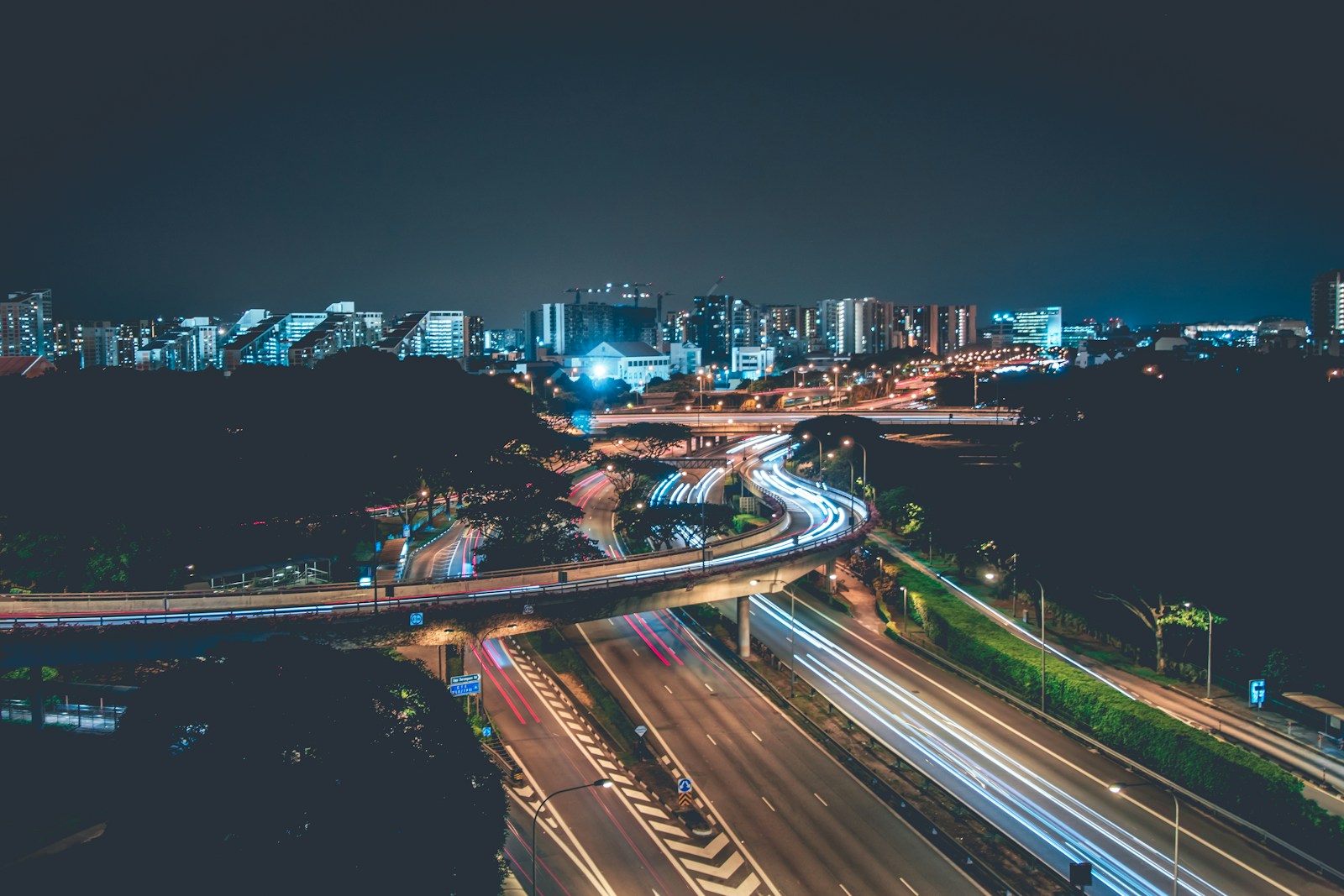
Living in a high-density urban environment like Hong Kong presents a unique set of challenges that blend the physical demands of architecture with the psychological demands of a fast-paced lifestyle. Our daily existence is supported by a complex web of infrastructure, from the towering skyscrapers that house our offices to the digital backbones that manage our information. As we move deeper into the digital age, the focus of urban planning and personal well-being has shifted toward resilience—both in the structures we build and the mental fortitude we maintain to navigate a high-pressure society.
The intersection of technology and human comfort is where modern city life truly takes shape. We often take for granted the engineering marvels that keep us safe and the digital services that keep us connected. However, as the heat generated by both our hardware and our hectic schedules rises, finding innovative ways to “cool down” has become a priority. Whether it is shielding a building from the physical heat of a fire or protecting a server from the thermal output of high-speed processing, the science of protection is evolving rapidly.
Building Resilience into the Urban Fabric
Safety in metropolitan areas is governed by strict building codes that prioritize the containment of risks. In skyscrapers where thousands of people work and live, the ability to compartmentalize a crisis is essential. Fire safety, in particular, has seen significant advancements in transparent materials. Architects no longer have to choose between aesthetic clarity and safety. High-performance glazing systems, such as a 60 minute fire rated window, allow for natural light to permeate interior spaces while providing a robust barrier against heat and flames. This ensures that even in the event of an emergency, occupants have a protected environment and a clear path to safety for at least an hour.
Beyond the physical safety of these structures, we must also consider the mental toll that living in such high-stakes environments takes on the individual. The constant noise, the pressure of deadlines, and the sheer density of people can lead to significant psychological strain. When you find yourself overwhelmed by the pace of the city, understanding the root causes of stress reasons symptoms treatments is the first step toward regaining control. Just as a building requires a fire-rated barrier to prevent damage, the human mind needs defensive strategies—such as mindfulness and proper rest—to prevent burnout and maintain emotional equilibrium.
The Thermal Revolution in Digital Infrastructure
As our cities become “smarter,” the physical infrastructure required to support our digital lives is changing. The massive amount of data processed every second by financial institutions, logistics companies, and social media platforms generates an incredible amount of heat. Traditional air-cooling methods for servers are increasingly inefficient and environmentally costly. This has led to the rise of the liquid cooling data center, where advanced fluids are used to absorb heat directly from the hardware. This technology not only saves space but also drastically reduces electricity consumption, aligning with the global push toward carbon neutrality and sustainable urban development.
While data centers use liquid cooling to maintain optimal performance, individuals are turning to sensory experiences to cool their own internal “processors.” The environment we return to after a long day at the office plays a vital role in our recovery. Creating a personalized sanctuary through scent is a powerful way to signal to the brain that it is time to decompress. Many forward-thinking organizations and individuals are now utilizing corporate customization services for high-quality scents to transform their surroundings. By curating a specific olfactory profile, one can effectively lower heart rates and promote a sense of calm that is often hard to find in the concrete jungle.
Synthesizing Safety and Serenity
The future of urban living lies in the harmony between high-tech protection and high-touch wellness. We are moving toward an era where our buildings are smarter, our data is cooler, and our mental health is treated with the same precision as a structural blueprint. Achieving this balance requires a holistic view of how we interact with our environment. We must invest in the materials that protect us physically while also investing in the rituals that protect us mentally.
- Integrated Safety: Prioritizing certified materials in renovations to ensure long-term property and personal safety.
- Thermal Efficiency: Adopting green technologies in our digital habits to reduce the overall urban heat island effect.
- Sensory Regulation: Using light, sound, and scent to manage the nervous system in high-stress zones.
Ultimately, the strength of a city is measured by the well-being of its inhabitants. By leveraging the latest in fire safety engineering and data cooling technology, we create a stable foundation. By addressing the psychological impacts of urban density and utilizing sensory tools for relaxation, we ensure that the people living within that foundation can thrive. The evolution of the city is not just about taller buildings or faster internet; it is about creating a resilient ecosystem where both the infrastructure and the human spirit can withstand the heat of the modern world.